 Batteria alcalina
 Batteria al carbonio e zinco
 Batteria a bottone
 Batterie al litio primarie
 Batterie ricaricabili
 Pacchetto batteria personalizzato
 Batteria al litio ricaricabile USB
In an era defined by portable electronics, renewable energy storage, and electric mobility, rechargeable lithium batteries stand as the cornerstone of modern power technology. Unlike disposable primary batteries, these advanced energy storage devices leverage the reversible movement of lithium ions between electrodes to deliver repeated charge-discharge cycles, making them indispensable for powering everything from smartwatches to electric vehicles. Their unique combination of high energy density, low self-discharge rate, and long cycle life has revolutionized industries, enabling the compact, efficient devices we rely on daily. At PKCELL, we specialize in engineering a diverse portfolio of rechargeable lithium batteries tailored to meet the evolving needs of global markets.
1. What Are Rechargeable Lithium Batteries?
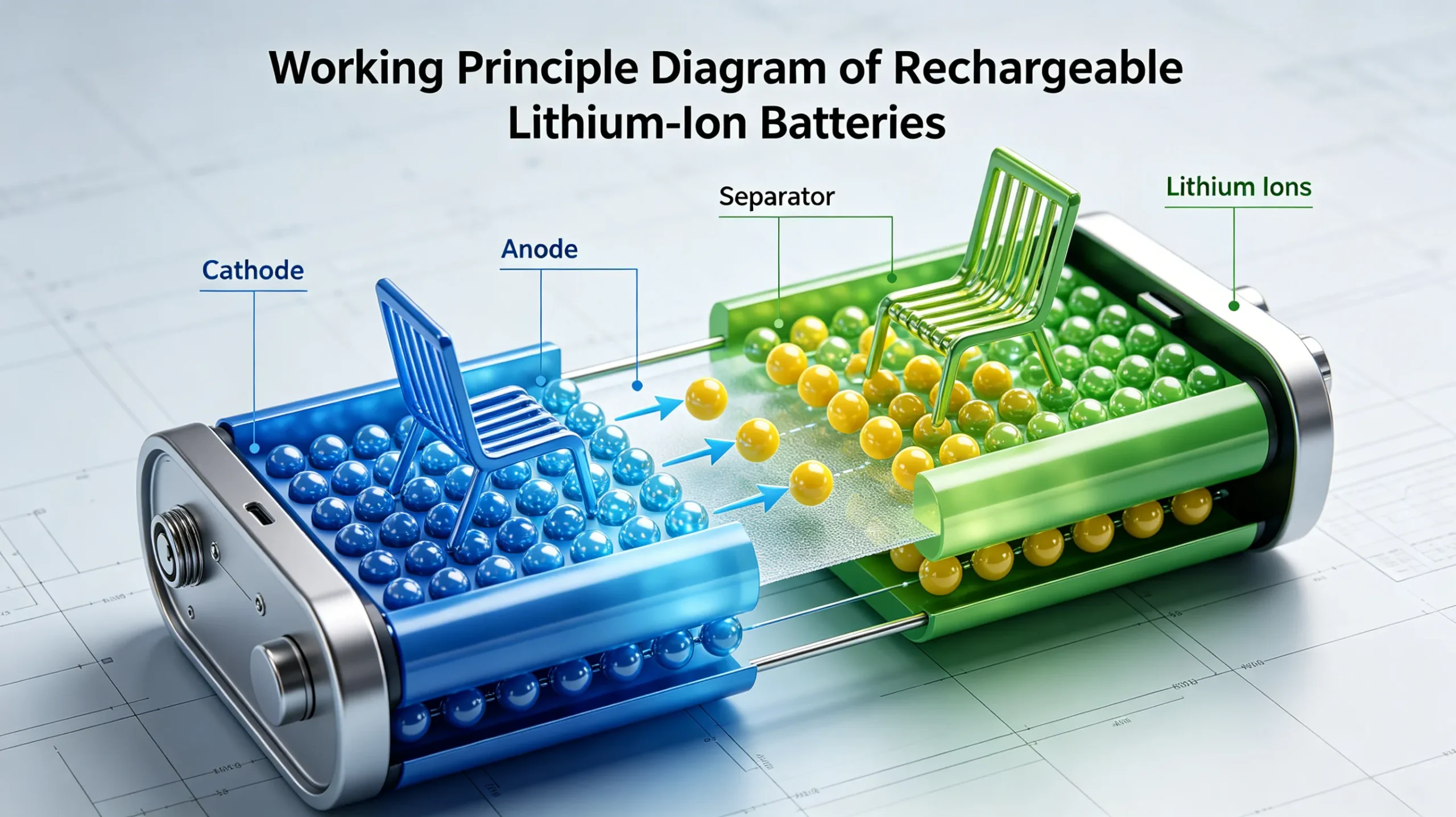
Rechargeable lithium batteries (secondary lithium batteries) are electrochemical energy storage devices that use lithium ions as charge carriers. They adopt a typical “rocking chair” working principle. During charging, lithium ions detach from the cathode and migrate to the anode for storage; during discharging, ions return to the cathode to release electric energy. This reversible chemical reaction enables hundreds and thousands of reusable cycles.
Compared with traditional NiCd and NiMH batteries, lithium batteries feature higher energy density, lighter weight, lower self-discharge, no memory effect, and longer service life. These core strengths make them the most mainstream energy solution for consumer electronics, industrial equipment, medical devices, and new energy storage systems.
2. Battery Classification
Lithium rechargeable batteries can be classified by appearance structure and chemical material. PKCELL provides full-series lithium battery products to cover diverse application scenarios.
2.1 Classification by Shape
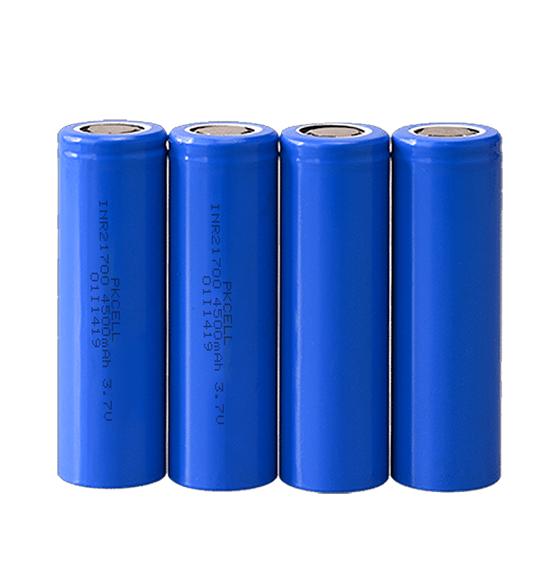
Cylindrical Lithium Battery: Standard metal shell structure, high consistency, strong stability, easy for PACK combination. Widely used in power tools, lighting equipment, energy storage systems.
Batteria ai polimeri di litio: Soft aluminum-plastic film package, customizable shape, ultra-thin size, mainly used for wearable devices, smart home products and portable instruments.
Button Battery: Mini size for low-power precision electronic equipment.
USB-C Direct Charging Battery: New integrated battery with built-in charging port, convenient for outdoor portable devices.
2.2 Classification by Material
Ternary Lithium Battery: High energy density, strong power performance, suitable for high-drain devices.
LiFePO4 Battery: Super safety, long cycle life, excellent thermal stability, suitable for industrial and energy storage fields.
3. Battery General Production Process
Lithium battery manufacturing is a high-precision industrial process completed in a dust-free, constant temperature and humidity workshop. The whole process includes raw material pulping, electrode coating, calendering, slitting, cell winding or stacking, electrolyte injection, sealing, formation activation, aging treatment, capacity testing and sorting. Every procedure strictly controls precision to ensure battery stability, safety and consistency.
4. Cylindrical Battery Production Process
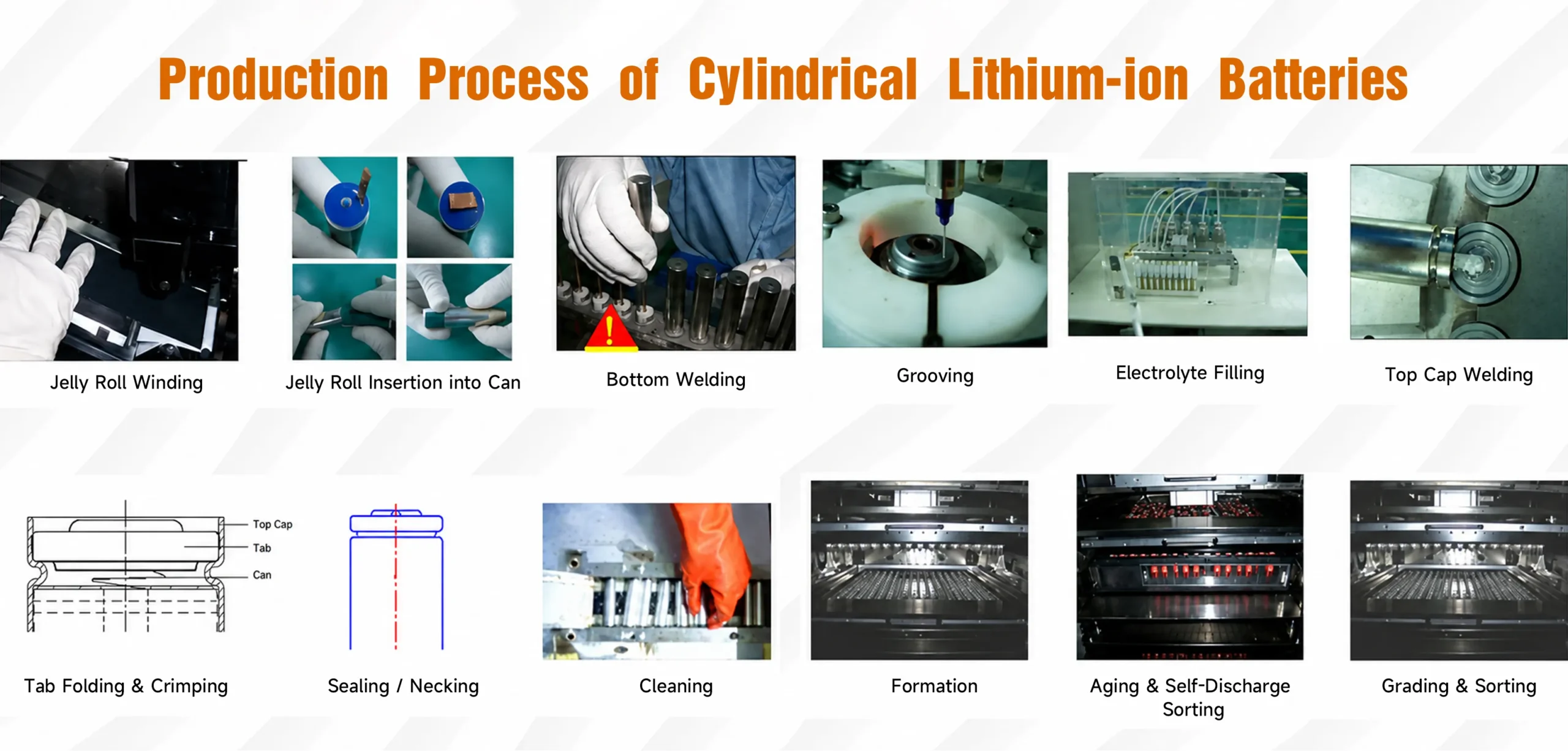
Cylindrical lithium batteries adopt fully automated winding production. The core process includes jelly roll winding, shell loading, bottom welding, grooving, vacuum electrolyte injection, top sealing, cleaning, formation charging and long-term aging. After multi-stage testing of voltage, internal resistance and capacity, only qualified single cells can enter the next PACK process.
5. Cylindrical Battery PACK Assembly Technology
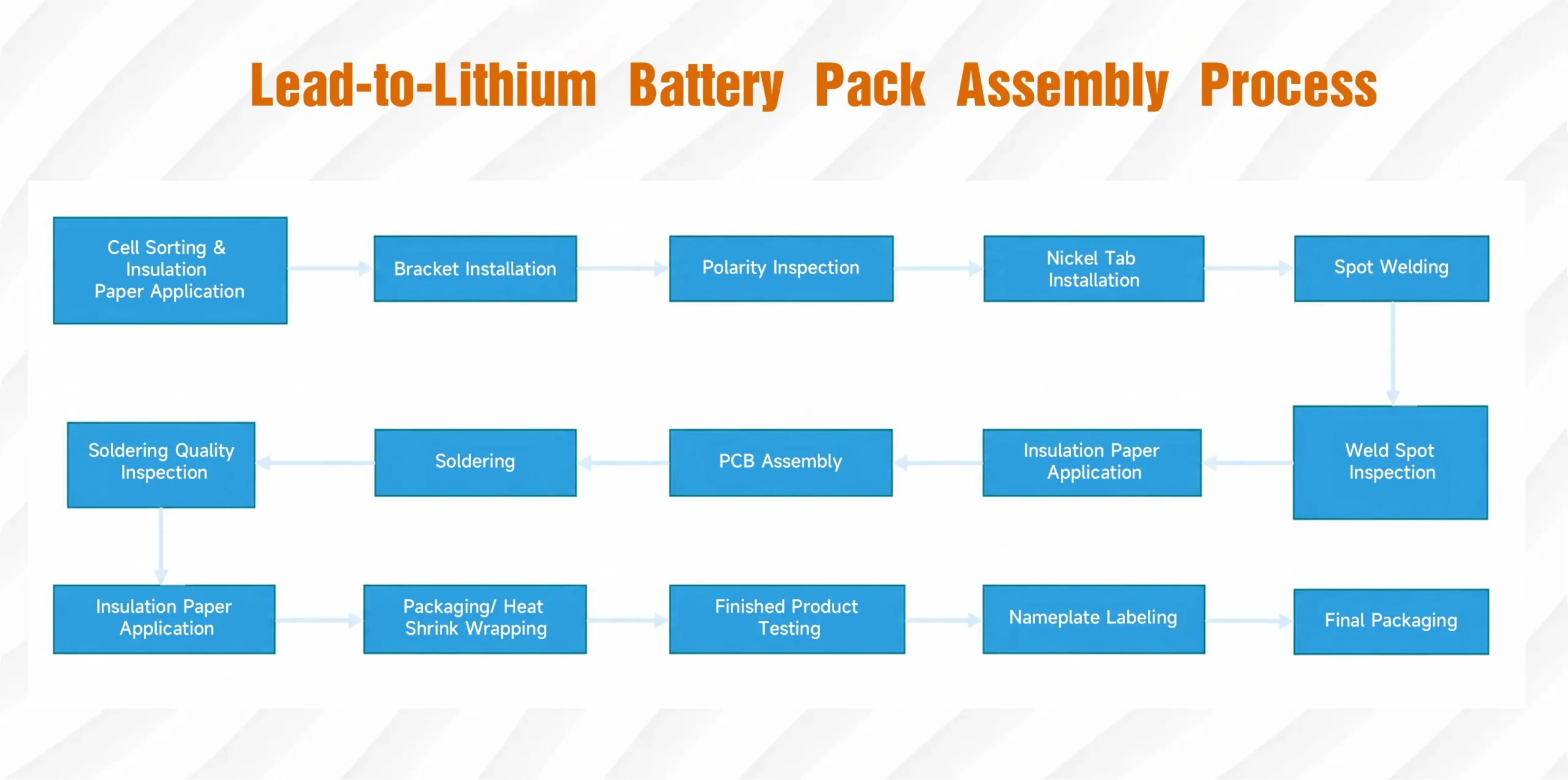
Single cells cannot meet high voltage and high capacity requirements, so PACK assembly is necessary. PKCELL’s standardized PACK process includes cell sorting, insulation treatment, bracket fixing, polarity inspection, nickel strip spot welding, welding inspection, PCB installation, wire soldering, overall insulation packaging and final finished product testing. Strict process control effectively avoids virtual welding, poor contact and short circuit risks.
6. Battery Pack Composition
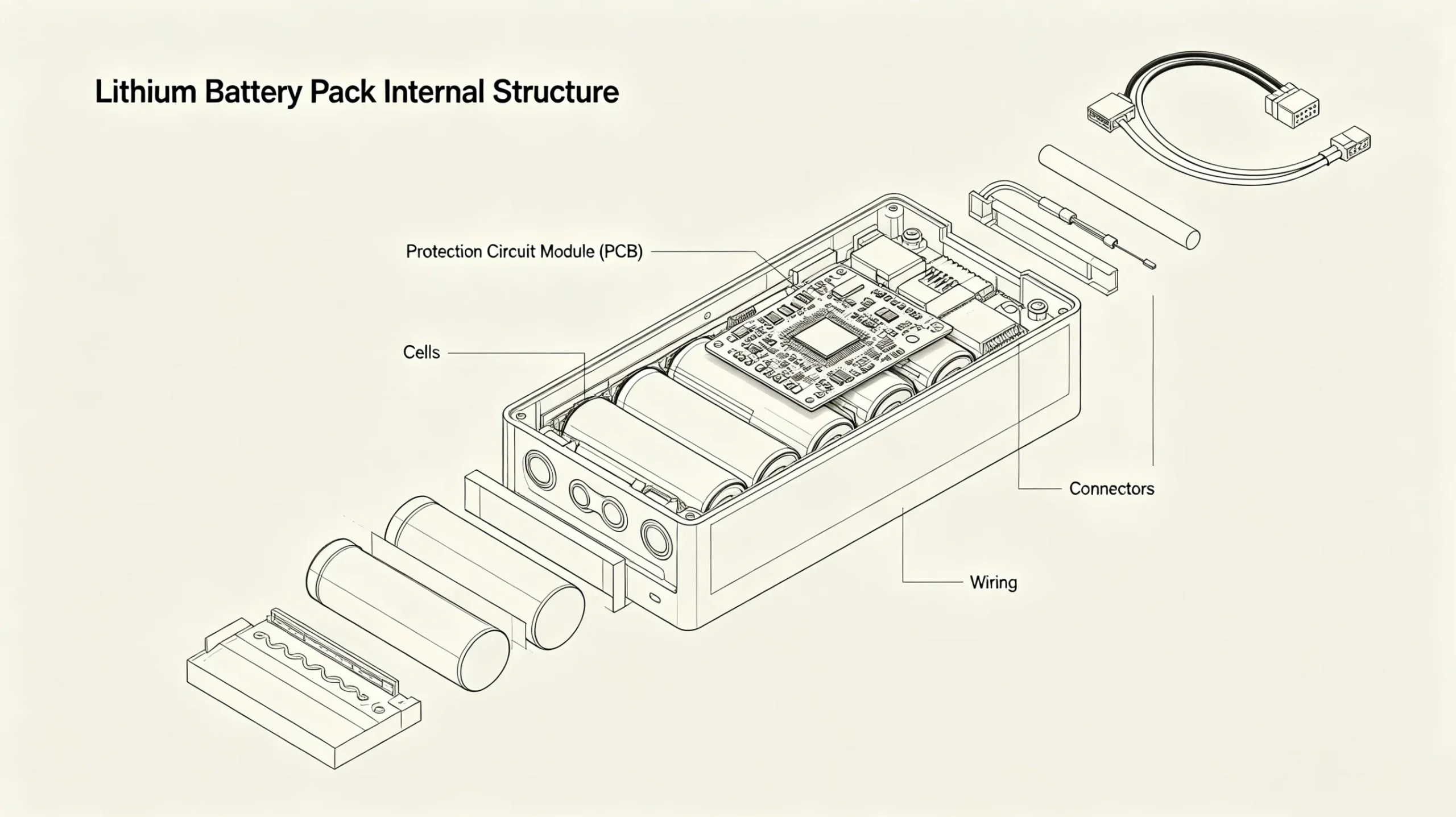
A complete lithium battery pack consists of three major parts: battery cells, protection circuit module (PCB/PCM), and conductive connection components. The cell group is responsible for energy storage and output. The PCB board acts as the intelligent protection system to prevent overcharge, over-discharge, over-current and short circuit. Wires and connectors ensure stable power transmission. Auxiliary structures such as insulating paper, fixed brackets and temperature sensors further improve overall safety and durability.
7. PKCELL Production Process Advantages
PKCELL has outstanding manufacturing advantages in the lithium battery industry. First, fully automated production lines greatly improve product consistency and reduce defective rates. Second, full-process quality inspection from raw materials to finished products ensures stable batch quality. Third, multiple safety protection structures are adopted for all products. Fourth, strong customization capability supports various OEM and ODM solutions. Fifth, complete product traceability system and international standard certifications ensure global market adaptability.
8. Choose PKCELL as Your Distributor Brand
[Image 8: PKCELL brand display and finished product warehouse]
Cooperating with PKCELL as a distributor brings stable and long-term benefits. We provide a complete product portfolio covering all mainstream lithium battery models for one-stop purchasing. Professional technical team supports product matching, solution design and after-sales service. Stable supply chain and sufficient inventory guarantee on-time delivery. Factory direct sales ensure competitive profit margins. Meanwhile, we provide complete certification documents, brand authorization and marketing materials to help distributors quickly expand local markets and establish competitive advantages.
https://www.pkcell.com/wp-content/uploads/factory–scaled.webp
FAQ – Frequently Asked Questions
Q1: What are the main applications of PKCELL lithium batteries?
A: PKCELL lithium batteries are widely used in consumer electronics, smart home devices, power tools, outdoor portable equipment, medical devices, solar energy storage and low-speed electric equipment. We support customized solutions for different industry scenarios.
Q2: Are PKCELL lithium batteries safe and certified?
A: All products pass CE, RoHS, MSDS and UN38.3 certification. Every cell and battery pack adopts multi-layer safety protection, effectively preventing overheating, short circuit and overcharge risks, meeting international safety standards.
Q3: Do you support customized battery packs?
A: Yes. We support custom voltage, capacity, connector, wire length, shell size and function parameters. Our engineering team can complete sample confirmation and mass production quickly.
Q4: What support can distributors get?
A: Distributors obtain stable factory prices, complete technical support, official brand authorization, marketing materials, full set of certification documents and long-term after-sales warranty service.
Q5: What is your delivery time?
A: Standard models have sufficient stock and can be shipped within 3–7 days. Customized orders are arranged according to production schedule to ensure stable and reliable supply.