
 Alkaline Battery
 Carbon Zinc Battery
 Button Cell Battery
 Primary Lithium Batteries
 Rechargeable Batteries
 Custom Battery Pack
 USB Rechargeable Lithium Battery
Hearing aid batteries are the essential power source for all types of hearing amplification devices, delivering stable and long-lasting power to support daily hearing assistance for people with hearing impairment. Unlike ordinary button batteries, professional hearing aid batteries adopt zinc-air technology, featuring stable voltage output, low self-discharge rate and strong adaptability to small precision devices. Among numerous specifications, size 10 hearing aid battery and size 312 hearing aid battery are the two most widely used models, covering most mini and medium-sized hearing aid devices on the market. Meanwhile, with the improvement of global product safety standards, child resistant battery packaging has become a mandatory configuration for formal hearing aid battery products, effectively avoiding accidental safety risks.
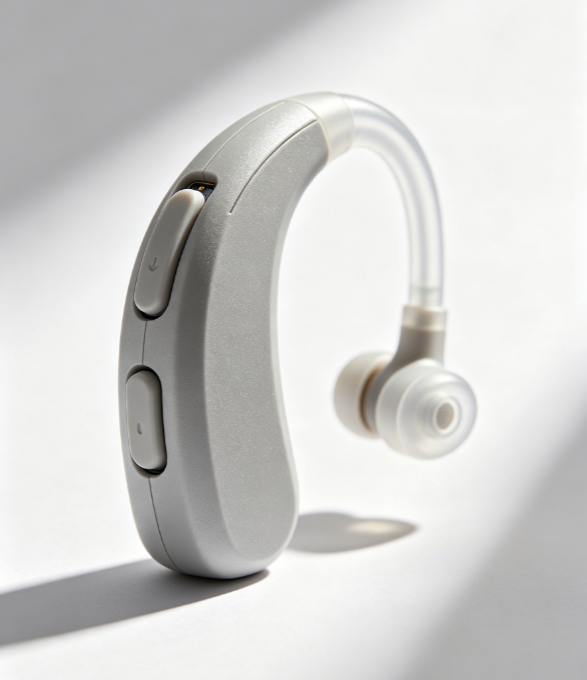
Size 10 Hearing Aid Battery: Ideal for Ultra-Compact Hearing Devices
The size 10 hearing aid battery is the smallest mainstream specification in hearing aid batteries, designed specifically for ultra-discreet, miniature hearing devices. It features a tiny physical size of 5.8 mm in diameter and 3.6 mm in height, perfectly fitting the limited internal space of invisible-in-canal (IIC) and completely-in-canal (CIC) hearing aids that are deeply hidden in the ear canal . For easy identification, all regular size 10 batteries are marked with a unified yellow insulating tab, which is a core visual feature to distinguish them from other specifications .
In terms of service life, the size 10 battery delivers stable power output with an average usable life of 3 to 7 days under daily normal use . Although its capacity is relatively small due to the compact size, it fully meets the power demand of low-power mini hearing aids. It is the preferred battery for users who pursue invisibility and portability of hearing devices, and is widely used in lightweight hearing aids for mild to moderate hearing loss.
Size 312 Hearing Aid Battery: Balanced Performance for Universal Use
The size 312 hearing aid battery is a versatile mid-size specification that strikes a perfect balance between volume, power and service life, occupying a dominant position in the consumer market. Slightly larger than the size 10 model, it is suitable for mainstream receiver-in-canal (RIC) and small behind-the-ear (BTE) hearing aids, covering the majority of medium-power hearing aid devices for daily household use . This type of battery adopts a unified brown insulating tab for quick and accurate size identification by users and merchants .
Thanks to its optimized capacity design, the size 312 hearing aid battery has a longer service life, with a daily usable duration of 7 to 10 days . It can stably support high-frequency use scenarios such as Bluetooth audio streaming and high-volume amplification of hearing aids, with lower power attenuation and stronger environmental adaptability. For most users with moderate hearing loss and conventional hearing aid equipment, the size 312 battery is the most cost-effective and practical choice.
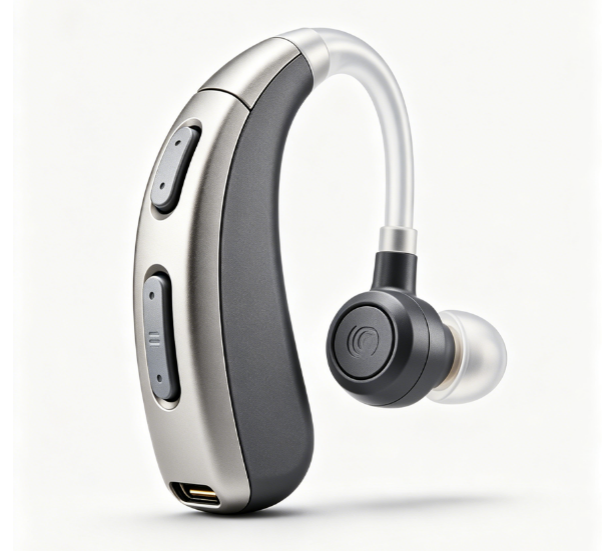
Child Resistant Battery Packaging: Core Safety Barrier for Hearing Aid Batteries
Hearing aid batteries are tiny button-shaped products, which are easily mistaken for candy by young children. Accidental ingestion will cause serious internal tissue damage and even life-threatening safety accidents. In response to this potential risk, child resistant battery packaging has become a mandatory safety standard for formal hearing aid battery sales worldwide, driven by global safety regulations represented by Reese’s Law .
Professional child resistant battery packaging is designed based on strict safety test standards. It abandons the easy-to-tear ordinary packaging structure, and adopts a dual-protection design that requires professional tools or two independent simultaneous hand movements to open . This structural design can effectively prevent children under 6 years old from prying open, biting or squeezing the packaging to take out the batteries, greatly reducing the risk of accidental ingestion .
In addition to the anti-opening structure, standard child resistant packaging is also equipped with prominent safety warning labels, clearly marking the risk of accidental ingestion and emergency treatment tips. All regular size 10 and size 312 hearing aid batteries sold in formal channels are fully equipped with this safety packaging. While ensuring children’s safety, it takes into account the daily use needs of hearing aid users, achieving a balance between safety and practicality .
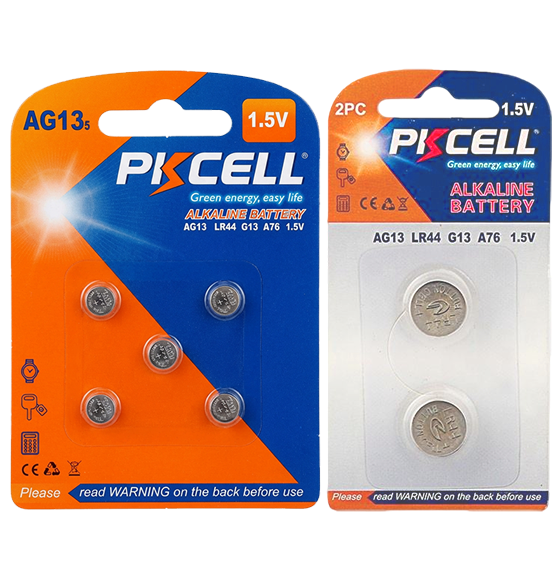
Frequently Asked Questions
Q: What type of technology do hearing aid batteries use?
A: They use zinc-air technology, which provides stable voltage, low self-discharge, and is ideal for small hearing devices.
Q: What’s the difference between size 10 and size 312 hearing aid batteries?
A: Size 10 (yellow tab) is the smallest model for ultra-compact IIC/CIC hearing aids and lasts 3–7 days. Size 312 (brown tab) is a mid-size option for RIC/BTE hearing aids with a longer service life of 7–10 days and stronger performance.
Q: Which devices use size 10 hearing aid batteries?
A: Mainly invisible-in-canal (IIC) and completely-in-canal (CIC) mini hearing aids.
Q: Which devices use size 312 hearing aid batteries?
A: Most mainstream receiver-in-canal (RIC) and small behind-the-ear (BTE) hearing aids.
Q: Why is child resistant battery packaging important?
A: It prevents young children from opening the pack and ingesting button batteries, which can cause severe internal injury.
Q: How does child resistant packaging work?
A: It adopts a dual-action opening design that young children cannot easily operate, while remaining easy for adults to use.
Q: How long do hearing aid batteries last on average?
A: Size 10 batteries last 3–7 days, and size 312 batteries last 7–10 days. The actual lifespan depends on daily usage and device power consumption.
Q: Should I always choose child-resistant packaging?
A: Yes. It is a mandatory safety standard for formal hearing aid batteries and highly recommended for family safety.
Size 10 and size 312 hearing aid batteries cover the mainstream needs of mini invisible and universal medium-sized hearing aids respectively, meeting the differentiated use scenarios of different hearing aid devices and user groups. The matching child resistant battery packaging builds an essential safety line for the use and storage of hearing aid batteries. When purchasing hearing aid batteries, users should not only select the appropriate size according to their hearing aid model, but also prioritize products with standard child-resistant packaging to ensure safe and reliable daily use.



 English
  Français
  Español de México
  Deutsch
  Polski
  Italiano
  Русский
  한국어
한국어  Português